
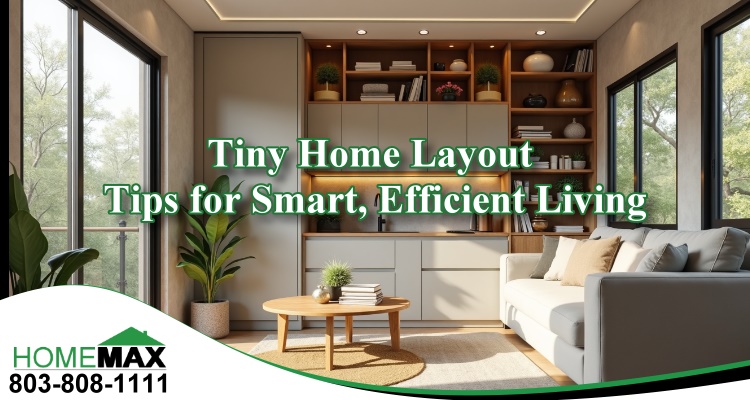
Plan Tiny Home Layout Efficiently
How to Plan Your Tiny Home Layout Efficiently
Designing a tiny home is exciting but also a little daunting. You want everything to fit, feel comfortable, and still leave room to breathe. Honestly, I’ve seen people cram in too much furniture and end up with a space that feels claustrophobic even though it’s only a few hundred square feet. The thing is, with a bit of planning, you can make a small space feel spacious and functional.
Start With Your Priorities
Before you draw up floor plans or pick paint colors, figure out what matters most. Do you need a full-size kitchen or just a kitchenette? Is workspace essential, or will you mostly be lounging? In my experience, tiny home layouts fail when people try to do everything at once instead of focusing on priorities. Make a list of must-haves and nice-to-haves. This will guide every design choice you make.
Use Multi-Functional Furniture
One of the secrets to efficient tiny home living is choosing furniture that pulls double duty. A sofa that folds into a bed, a dining table that doubles as a desk, or storage ottomans that hide your clutter can make a huge difference. Honestly, I’ve always thought modular furniture is worth every penny—it’s flexible and adaptable as your needs change.
Think Vertically
When floor space is limited, don’t forget about vertical space. Shelves, lofted beds, and wall-mounted storage help you keep things off the floor, which instantly makes the home feel bigger. Even something as simple as hanging pots and pans in the kitchen or adding a pegboard in the bathroom can free up counter space and make the area more functional.
Create Zones Without Walls
Even in a tiny home, you want separate areas for sleeping, cooking, working, and relaxing. You don’t need full walls for this. Use furniture, rugs, or lighting to define spaces subtly. For example, a bookshelf can separate a living area from a bedroom without taking up much room. This approach keeps the home feeling open while still organized.
Maximize Storage Cleverly
Storage is probably the trickiest part of tiny home design. You’ll need to think creatively: under-bed drawers, pull-out pantry shelves, and hidden compartments can keep clutter out of sight. One thing I’ve noticed is that people underestimate how much they actually own. Take inventory and declutter before you finalize your layout. Less stuff means more breathing room.
Consider Flow and Accessibility
Efficiency isn’t just about storage—it’s about how you move through the space. Make sure your layout allows easy access to essential areas. You don’t want to constantly bump into furniture or have to navigate a maze just to make coffee. A good rule of thumb is to keep walkways at least two feet wide where possible, even if it means sacrificing some non-essential furniture.
Light and Color Matter
Small spaces can feel cramped if they are dark or dull. Light-colored walls, reflective surfaces, and strategic lighting can make your tiny home feel open and airy. I’ve seen homes with clever skylights or mirrors feel twice as large as they actually are. Natural light is your friend, so if your layout allows, place windows where they can illuminate the main living areas.
Plan for Flexibility
Your needs may change over time, so plan your layout to be adaptable. A fold-down desk or Murphy bed might not be necessary right now, but you’ll appreciate it in a year if your lifestyle shifts. Honestly, tiny home living teaches you to think ahead, because there’s less room to make mistakes.
Test Your Layout
Before you commit to any permanent fixtures, test your layout. You can use cardboard cutouts, floor-planning apps, or even tape on the floor to simulate furniture placement. This way, you can see how the space feels and adjust before spending money or making irreversible changes. It’s kind of like a trial run for your future life in that small, cozy space.
Final Thoughts on Efficient Tiny Home Planning
Planning a tiny home layout efficiently is all about priorities, flexibility, and smart use of space. Focus on multifunctional furniture, vertical storage, natural light, and clearly defined zones. With careful thought and some creativity, you can create a tiny home that feels comfortable, functional, and surprisingly roomy for its size.