
Manufactured Housing and the U.S. Housing Shortage
How Manufactured Housing Can Address the U.S. Housing Crisis
The U.S. is facing a housing shortage that seems to get worse every year. Prices are climbing, and supply is lagging behind demand, leaving many families struggling to find a place they can afford. Honestly, it’s a complicated problem with no single solution, but one approach that’s gaining traction is manufactured housing. These homes aren’t just trailers from the past; modern manufactured homes offer quality, affordability, and speed that traditional construction often can’t match.
What Manufactured Housing Really Means
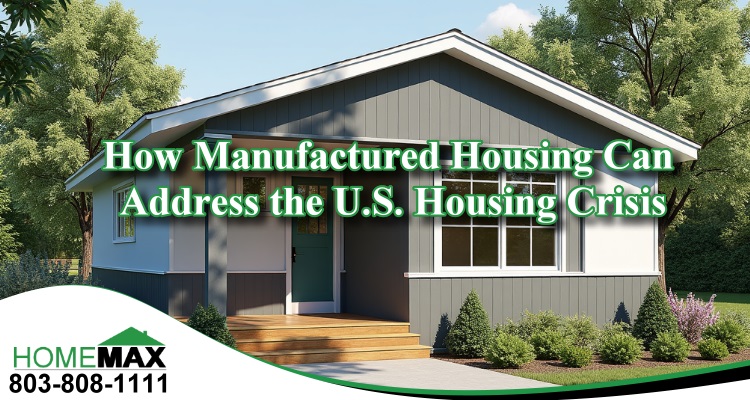
Manufactured homes, sometimes called prefab or modular homes, are built in factories and then transported to their permanent site. This approach cuts down on construction time and labor costs. People often assume these homes are low quality, but today’s manufactured homes are built to strict HUD standards, with modern materials, energy-efficient systems, and customizable designs. You’d be surprised how much they can look and feel like a traditional stick-built house.
Speed and Affordability
One of the biggest advantages of manufactured housing is speed. On-site construction can take months, even years, depending on permits, inspections, and weather delays. Manufactured homes can be completed in a matter of weeks. This rapid deployment makes them ideal for areas with high housing demand or disaster relief needs. Cost is another major factor; on average, manufactured homes are significantly cheaper than site-built homes, making homeownership accessible to more families.
Flexibility and Sustainability
Manufactured homes aren’t one-size-fits-all. Buyers can choose layouts, finishes, and sizes to match their lifestyle and budget. Additionally, because they are built in controlled factory environments, there’s less material waste and fewer on-site environmental impacts. Some manufacturers even incorporate energy-efficient appliances, solar-ready designs, and high-performance insulation. In my experience, people often underestimate how green these homes can be.
Addressing the Housing Shortage
The U.S. housing shortage is driven by multiple factors, from zoning restrictions to rising material costs. Manufactured housing offers a practical piece of the solution puzzle. By providing affordable, high-quality homes quickly, it can reduce pressure on rental markets, lower homelessness risk, and give families more options. States that allow manufactured home communities and supportive zoning regulations are already seeing these benefits.
Common Misconceptions
- “Manufactured homes are low-quality” — Today’s homes meet stringent federal standards.
- “They lose value quickly” — While resale can vary, proper maintenance preserves value, much like site-built homes.
- “They aren’t energy-efficient” — Many modern models exceed traditional construction standards for energy savings.
Why Homebuyers Are Taking Notice
Affordability, speed, and flexibility make manufactured homes attractive, especially for first-time buyers. I’ve seen families move from renting to owning within months, something that might take years with conventional construction. Developers are also considering them for workforce housing and mixed-use communities, recognizing that these homes can integrate seamlessly into neighborhoods when thoughtfully designed.
The Bottom Line
Manufactured housing isn’t a silver bullet for the U.S. housing crisis, but it’s a proven, scalable option that helps fill the gap. As construction costs continue to rise and supply struggles to keep up with demand, these homes offer practical relief. For anyone frustrated by the slow pace of traditional homebuilding, manufactured housing is worth considering. Honestly, the perception of these homes has changed a lot in recent years, and in many cases, they are indistinguishable from conventional homes in comfort, quality, and appearance.