
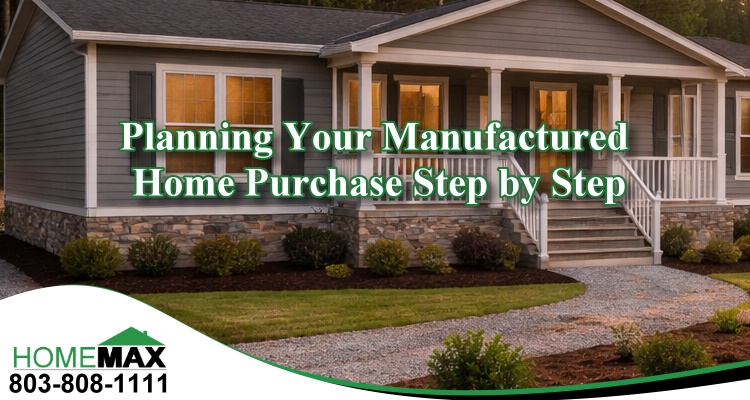
Planning Your Manufactured Home Purchase Step by Step
How to Plan and Budget for a Manufactured Home Purchase
Buying a manufactured home is exciting. It is also one of those life decisions where the numbers matter just as much as the vision in your head. I have seen people focus so much on floor plans and kitchen islands that they forget to look at the full financial picture. Then reality shows up, usually in the form of site work bills and delivery invoices they did not see coming.
The truth is, planning and budgeting for a manufactured home purchase is not complicated, but it does require patience and a little honesty with yourself about what you can comfortably afford. Not what you qualify for, but what feels manageable month after month.
Let’s walk through the real costs, the hidden ones, and the planning steps that make the whole process smoother.
Start With the Full Home Cost, Not Just the Base Price
The base price of a manufactured home is where most buyers begin. It makes sense that is the number advertised online and on lot displays. But that number is kind of like the sticker price on a car before taxes and fees.
A manufactured home base price usually includes the structure itself, standard features, and basic finishes. What it does not include are upgrades, delivery, installation, or land-related expenses.
I have watched buyers breathe a sigh of relief at a base price, only to feel stress later when the real project total comes together. So the first rule is simple. Treat the base price as the starting line, not the finish line.
Factor in Land Costs Early
If you already own land, you are ahead of the game. If not, land will be one of the largest expenses in your manufactured home budget.
Prices vary widely depending on location, acreage, zoning, and utility access. Rural land might be cheaper upfront but require more site preparation. Land closer to town may cost more but save on infrastructure.
Either way, do not shop for homes seriously until you understand your land budget. The two go hand in hand.
Understand Site Preparation Expenses
This is where budgets often get shaky. Site prep is everything required to make the land ready for the home.
It can include clearing trees, grading, soil compaction, driveway installation, and foundation work. Some properties need very little work. Others need tens of thousands in preparation.
Common site prep costs include:
- Land clearing and grading
- Driveway installation
- Foundation or pier system
- Soil testing and engineering
- Drainage solutions
The thing is, you will not know exact numbers until contractors evaluate the property. Budgeting a cushion here is not just smart, it is necessary.
Utility Installation Adds Up Quickly
If utilities are already on the property, great. If not, this becomes another major budget category.
You may need to install:
- Septic system or sewer connection
- Well or city water hookup
- Electrical service and meter setup
- Gas or propane lines
- Internet and cable infrastructure
Septic and well systems alone can run into five figures depending on soil conditions and depth requirements. It is one of those costs people underestimate all the time.
Delivery and Installation Costs
Transporting a manufactured home is not like moving furniture. Specialized carriers, escorts, permits, and crane or set crews are involved.
Delivery pricing depends on the distance from the manufacturing facility and the route's complexity. Installation includes setting the home sections, leveling, anchoring, and sealing them together.
This part of the budget is unavoidable, so it is best to get quotes early rather than guessing.
Upgrades and Customizations
This is where emotions can overtake logic a bit. You walk through a model home, and suddenly standard finishes feel, well, too standard.
Upgrades are not bad. Some add comfort and resale value. The key is prioritizing what matters most.
Common upgrades buyers budget for include:
- Kitchen appliance packages
- Premium flooring
- Tile showers or garden tubs
- Energy-efficient windows
- Exterior porches or decks
I usually tell buyers to pick three must-have upgrades and price everything else as optional. That keeps the budget from drifting.
Permits, Fees, and Compliance Costs
Every county and municipality has regulations for manufactured housing. Permits are required for placement, utilities, and sometimes driveways.
There may also be impact fees, inspection costs, and zoning compliance expenses. These are not the biggest line items individually, but together they matter.
It is the administrative side of homeownership that people rarely think about until paperwork starts stacking up.
Financing and Loan Considerations
Financing a manufactured home differs from financing traditional site-built housing, especially when land is not included.
Loan types can include chattel loans, FHA, VA, or conventional mortgages if the home is permanently affixed to land you own.
Your budget should account for:
- Down payment requirements
- Closing costs
- Loan origination fees
- Interest rate differences
I always suggest buyers get pre-approved before finalizing budgets. It turns guesswork into real numbers.
Insurance and Property Taxes
Once the home is installed, ongoing costs begin. Manufactured home insurance is typically affordable, but rates vary based on location, weather risk, and home value.
Property taxes depend on whether the home is titled as real property or personal property. That classification alone can change annual costs significantly.
These are long-term budget items, so they deserve attention upfront.
Create a Realistic All-In Budget
When you combine everything, the true purchase cost becomes clearer. A simple way to structure your manufactured home budget is:
- Home base price
- Upgrades and options
- Land purchase
- Site preparation
- Utilities installation
- Delivery and setup
- Permits and fees
- Financing costs
Add a contingency fund of at least ten percent. Honestly, I prefer fifteen. Unexpected expenses are almost guaranteed, especially with land development.
Timing Your Purchase Strategically
Something buyers do not always consider is timing. Manufacturing schedules, contractor availability, and weather can all affect costs.
For example, heavy rain can delay site work. Material price swings can impact upgrades. Planning your purchase timeline with flexibility helps avoid rushed, expensive decisions.
A Thought That Sticks With Most Buyers
One thing I have noticed over the years is this. Buyers rarely regret spending a little more for preparation and quality. They do regret under-budgeting and feeling financially stretched afterward.
A manufactured home can absolutely be one of the most cost-efficient paths to homeownership. But only when the planning matches the purchase.
If you take the time to map out land costs, site work, utilities, and financing before signing contracts, the experience feels more controlled than chaotic. And that peace of mind, honestly, is worth just as much as the home itself.